

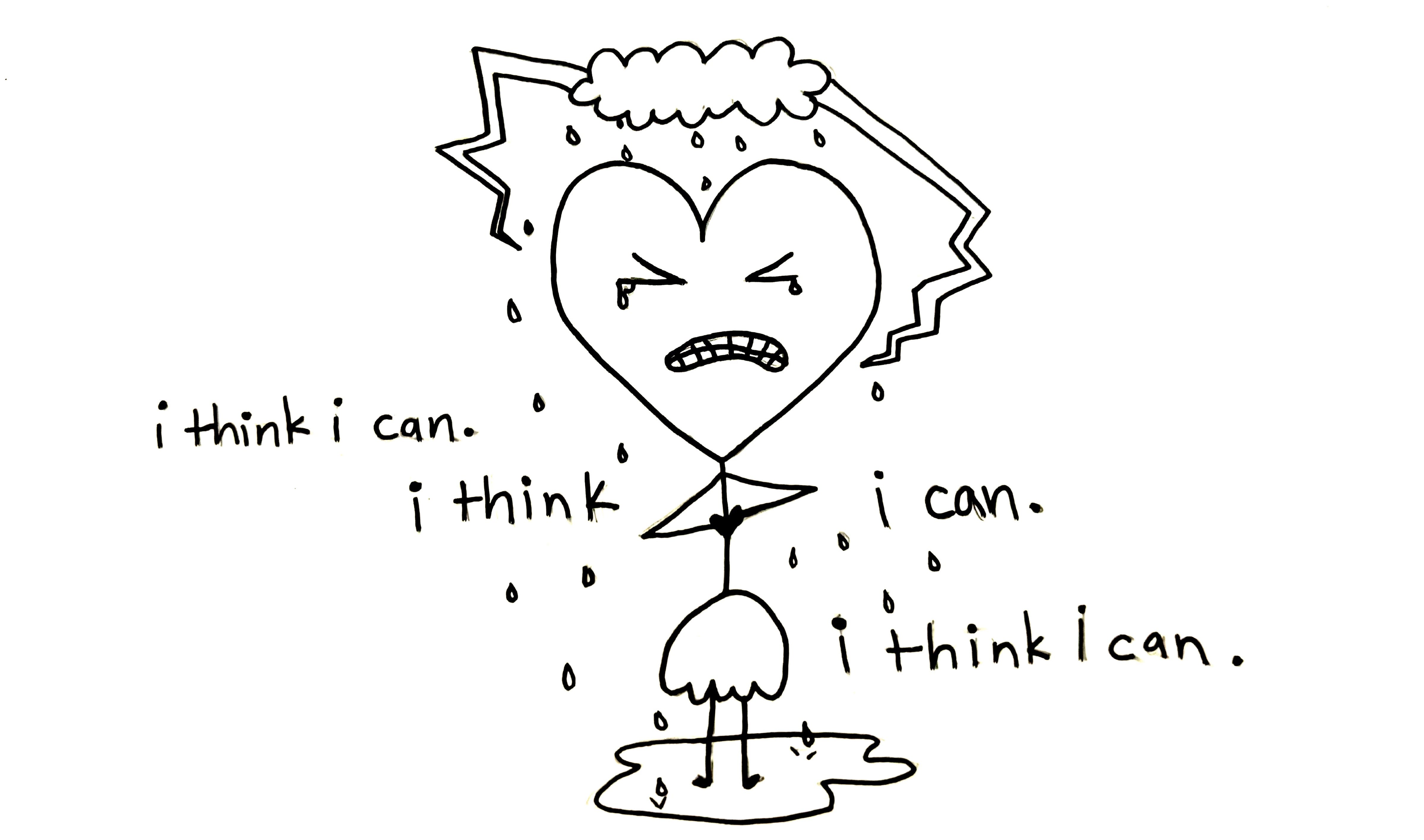
When folks talk about love as a path to peace, I can’t help but to wonder what any of it means. Both love and peace are so multifaceted that it’s hard to wrap my head around either of them on their own, let alone how they might fit into a sentence together.
In the previous article of this series, I explored one of the biggest confusions of my heart: the question of self-love vs. service. When self-love and love-for-others are in conflict, am I an evil person if I choose myself? Am I weak if I choose others? The aim of this investigation is not to find answers, but to grow compassion for the challenges that are inherent in the question -love just isn’t always easy for us humans.
Here, in a continued exploration of the question “Why is love so dang difficult?” I’m wondering about will:
Is love something that we have any control of? Can we will ourselves to love?
This is an important question because we live in a world where any perceived lack of love is deemed punishable. We hold each other accountable. But what if it’s not so simple?
Surprisingly, science does offer some insights into this question. Though science is often associated more with the mind than the heart, it turns out that the two are inextricably connected. So understanding more about our brains does help to understand our hearts.
With this in mind (all puns intended), one of the most striking discoveries that I’ve learned about our minds is how much happens without any consciousness needed; so much of our lives are automatic. On the most obvious level, we don’t need to think about breathing or beating our hearts. We don’t try to digest or hydrate our parts. We don’t send out immunity soldiers every time we get a cut. We don’t try to sneeze when we inhale smoke and dust. Without meaning to, we pass-out after a long day at work. We can’t help but to sweat after all those booty claps and twerks.
Where questions of will get a little messy is when it comes to feelings. Though it’s obvious that I can’t help but to feel the breeze on my skin, or the sunshine on my face, I’ve expected myself to summon numbness when it comes to emotions or pain. I’ve spent a lot of my life getting down on myself for being so emotional, as the feelings that take a toll were something that I could control, as if I were choosing to feel sad or scared; as if I wanted a reason to feel distraught and impaired.
When it comes to love, the question of whether or not I can help how I feel, and/or how I react to those feelings is central to understanding why love can be so stinking hard sometimes; it’s not easy to love that which makes me terrified.
To that end, in the next article in this series, I’ll explore more about the involuntary aspects of feelings (and how they impact how we love). But for now, it’s enough to state (generally) that we can’t help what we feel, but we can control how we react to our feelings -right?
Actually- it’s not so straightforward. The science of self-regulation has taught me that though we do have the power to choose how we respond to our feelings, that power is not always fully available to us. Our access to the pre-frontal cortex (which is the region of the brain that allows us to regulate our emotional reactions1) is impaired when we’re stressed2. When we’re in pain, fear, overwhelm, or exhaustion (or when we’ve been severely traumatized), our ability to rationally respond to our feelings is diminished. This means that in the times that we need our right minds, we tend to be out of them.
It’s physiological3. As each function of the body requires significant energy, not all functions can occur (to the fullest extent) simultaneously. This means that our bodies are constantly deciding what to prioritize based on what’s happening in the moment (and what’s predicted to happen in the near future). Therefore, if the body senses danger, it prioritizes vigilance over cognitive understanding; it’s more important to see the threat and protect yourself from it than it is to understand and/or explain it4. Similarly, in the moment of potential danger (like a lion stalking you) it’s more important to have your full attention on fighting or getting away than it is to contemplate whether or not you’ve trampled on some sensitive plants in the process5.
Even so, it is generally agreed upon that humans can grow our ability to manage our emotions, even when we’re stressed. That being said, improving our emotional regulation is a learned skill that requires a few things that not everyone has access to, such as education, safety, and time. Though some folks were lucky enough to have parents (or other influential adults, such as teachers) who modeled and taught emotional regulation from a young age, not everyone was given such a strong foundation. In this case, to gain those skills, we first need to become aware that we’re lacking them (which can be tricky in contexts where toxic conflict is normalized). Then, we need education to understand our emotions and how to regulate them. Finally, we need the time and safety to actually practice what’s required (such as breathing, self-reflection, creativity and exercise6). In lives that are full of demands from work, household chores, and children, finding the time to regulate ourselves can be tricky. Similarly, it’s hard to focus on self-reflection when we’re in pain, or when we’re hungry.
With all that in mind, when it comes to love, understanding the challenges of emotional regulation is essential because it tells us that no matter how much we may love someone, or want to love them, if we’re super-stressed or scared, we may not be able to regulate ourselves enough to actually act lovingly. As such, conflict can feel never-ending:
I get scared by something that someone does, so I react defensively. Sometimes that fear is justified (as there’s been a real conflict for resources, a real threat, or real harm has been caused), but often the threat is not actually as scary as I think is (it’s just perceived). In any case, the other person is likely to interpret my defensiveness as aggression and to get scared. So, they react defensively. I, then, interpret that defensiveness as aggression, which only validates my feeling of being scared of them. As a result, I (again) react defensively, and maybe even aggressively. They, then, take this aggression as proof that I’m a threat, and respond defensively, maybe even aggressively… “and it goes on and on, my friends -some people started singing it not knowing what it was, and they’ll continue singing it forever just because this is the song that doesn’t end…”
Ugh.
It can feel hopeless.
The question of peace is: How do we interrupt that cycle? How do we find love when we’re afraid? If threatening or punishing the one who threatens us only makes them more stressed (and therefore more irrational), then caring for them in a way that helps to lessen their stress seems like a much more effective option. But how do we do that if we, ourselves, are scared and stressed? What’s more, what about the times when we are showing care (and we’re clearly not presenting a threat), and yet we’re still perceived as dangerous?
To explore these questions, in the next posts I’ll share some nerdy notes on the science behind Feelings and Regulation, The Flaws of Human Perception, and Creative Peace. Again, the aim is not necessarily to find answers, but to grow understanding for the parts of life that are hardest to love so to cultivate the compassion, care, and creativity that help to overcome them.
That being said, I recognize a part of me that struggles to trust this approach: Am I just making excuses for those who harms and loathe? Am I enabling bad behavior by understanding how it’s part of our nature? Am I justifying the pain that’s inflicted by the haters? Will I be taken advantage of with a soft heart? Will love make me a doormat for those who’ve caused me harm?
When my heart falls short in these confusing times, I can’t say that I know where to draw the line, but I am aware of the other side: as shame and punishment activate the stress-responses that hinder our ability to regulate our emotional reactions,7 neither tend to elicit more loving behavior; instead, they fuel the fires of fearing each other. When we feel understood and safe, however, we’ve got much more access to the creative and caring parts of our minds, which makes us more equipped to grow peace in our lives.
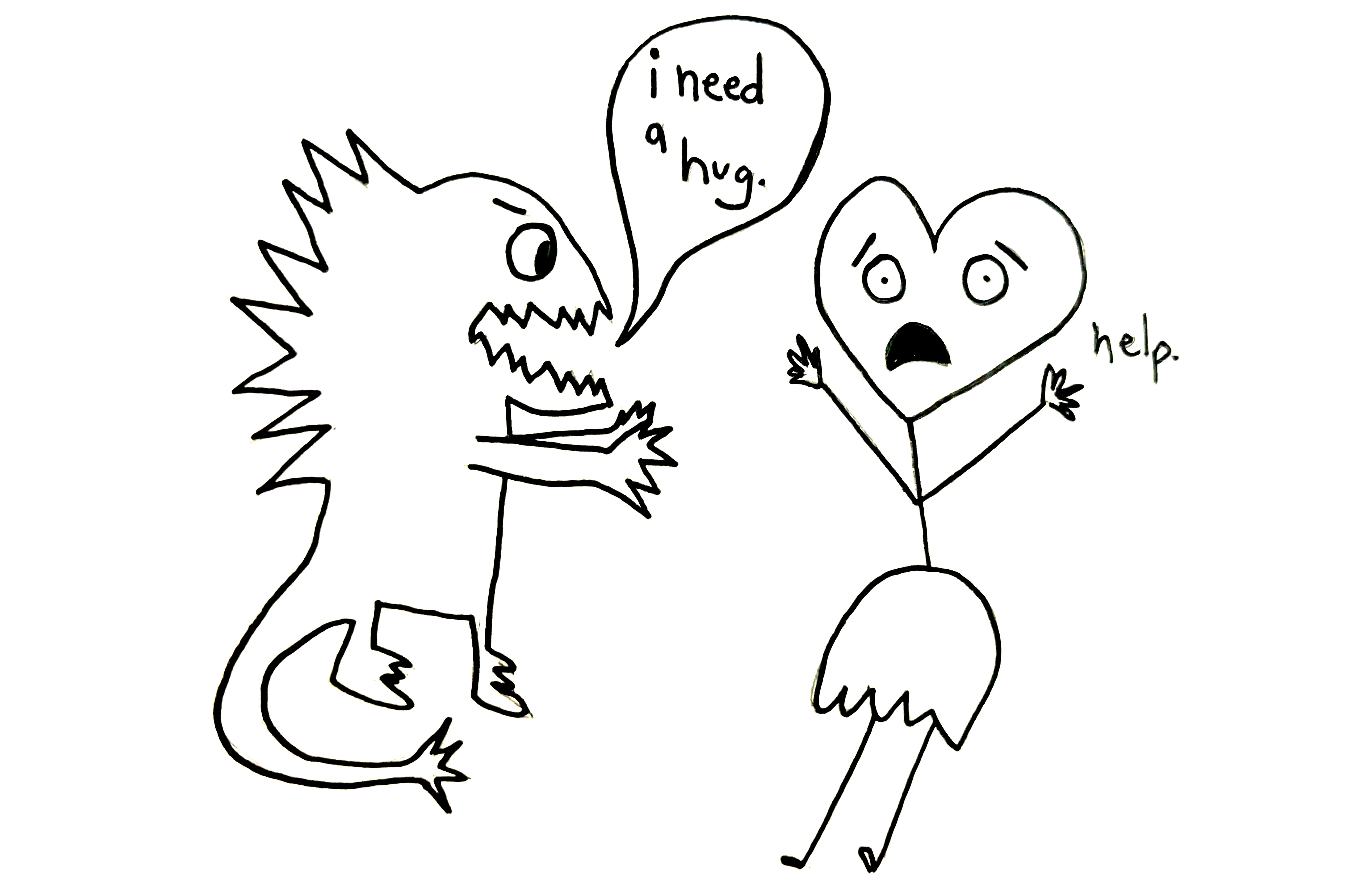
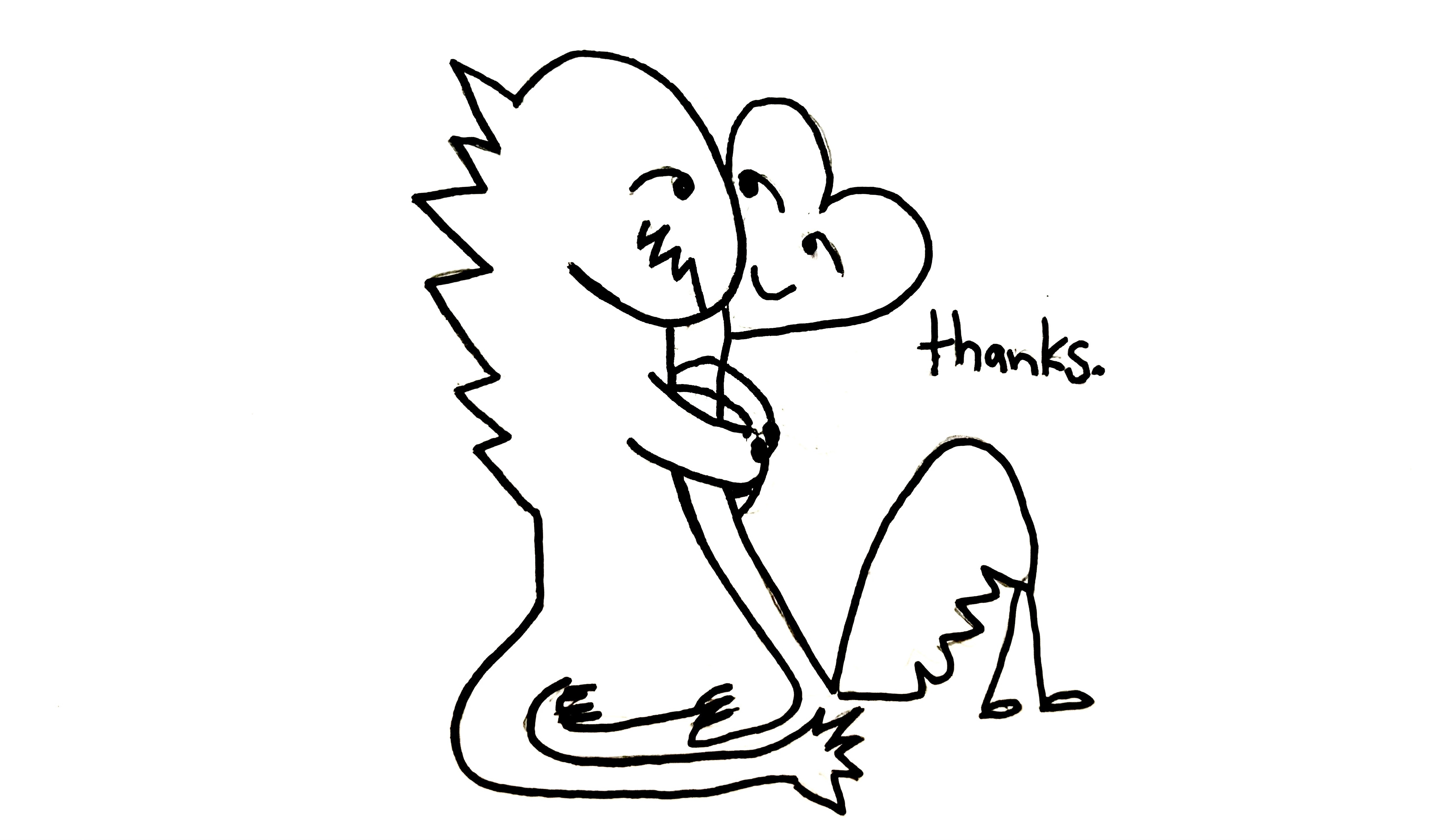
In our darkest moments, may love find us mercifully.
Stay tuned to the heart of our nature:
on Substack Notes
on Email
Listen to Love Songs to Our Nature
(and read the stories and science behind the songs)
https://www.psychowellnesscenter.com/Blog/how-prefrontal-cortex-shapes-emotional-regulation-in-everyday-life/
https://pmc.ncbi.nlm.nih.gov/articles/PMC4166312/#:~:text=These findings suggest that the,vigilance (Dolcos, 2013).
https://pmc.ncbi.nlm.nih.gov/articles/PMC2907136/#:~:text=Under conditions of psychological stress,working memory and attention regulation.
https://pmc.ncbi.nlm.nih.gov/articles/PMC4166312/#:~:text=These findings suggest that the,vigilance (Dolcos, 2013).
https://www.researchgate.net/publication/311912023_Threat_interferes_with_response_inhibition
I’m gonna get into the fancy-schmancy, ultra-nerdy science of emotional regulation in the next article, so stay tuned 🤓
https://pubmed.ncbi.nlm.nih.gov/15564358/